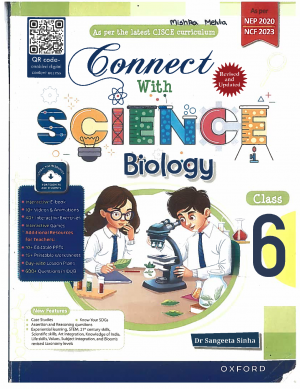
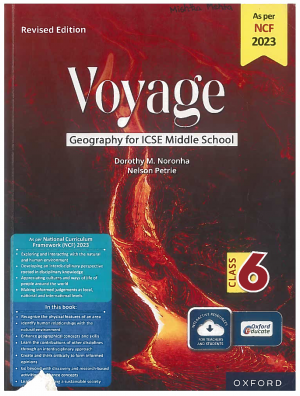
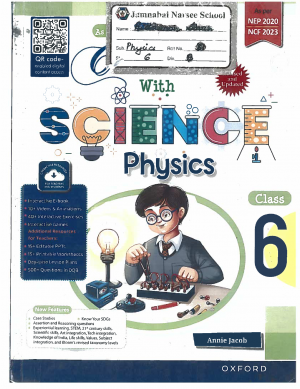
Biology
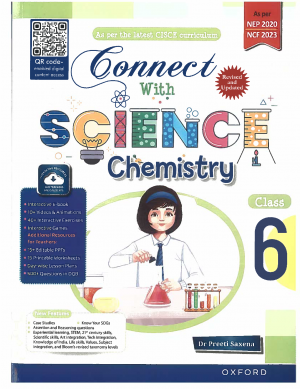
 Chemistry
 Computer
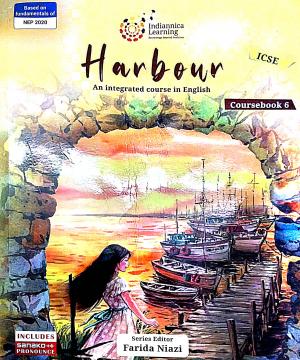
 English
 Geography
 Hindi
Hindi
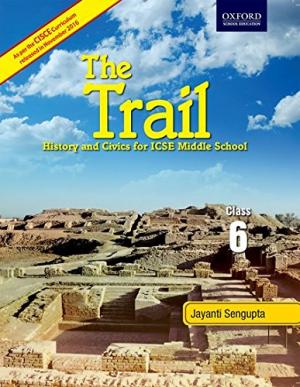
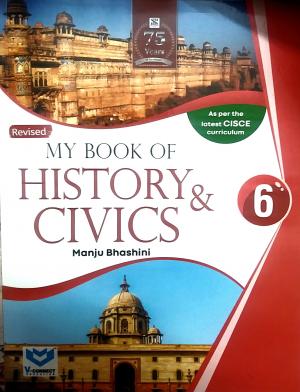
 History & Civics
 Physics
 Science
Displaying 5 out
of 14
questions & answers.
conventional symbols: a fixed set of symbols commonly used on the maps worldwide
globe: a three-dimensional model of the Earth on a small size
latitudes: imaginary lines running parallel to the Equator
longitudes: imaginary lines that run from the North Pole to the South Pole
map: a representation of the world as a whole or a part of it on a flat surface, to a scale
plan: a representation of a small area on a large scale, showing more details
sketch: a rough drawing, showing some features of an area, not drawn to a scale
topographical maps: maps that show much greater details about small areas; covering relief features, rivers, tanks, wells, vegetation, settlements, roads, etc.
Q1.
Name the following.
- A large natural stream of water that flows from higher to lower ground.
- The small rivers that join the main river and enlarge its volume.
- The triangular-shaped alluvial deposits near the mouth of the river.
- The up-fold part of a fold mountain.
- The down-fold portions or troughs of a fold mountain.
S A
M P L E
S
A M P L E
www.bigslate.com
Answer:
S A M P L E
- Rivers
- Tributaries
- Delta
- Anticline
- Syncline
Q2.
State whether the following statements are 'true' or 'false'.
- Maps are never drawn to a scale.
- Plans do not take much time to prepare.
- The type of information that a map shows determines its title.
- Distance is an important component of a map.
- The four directions --- north, south, east and west --- are called the intermediate directions.
S A
M P L E
S
A M P L E
www.bigslate.com
Answer:
S A M P L E
- False
- True
- True
- True
- False
Q3.
What is a globe? How is globe helpful?
S A
M P L E
S
A M P L E
www.bigslate.com
Answer:
S A M P L E
answer not shownQ4.
What is a map? What are the different elements of a map?
S A
M P L E
S
A M P L E
www.bigslate.com
Answer:
S A M P L E
answer not shownQ5.
What is sketch?
S A
M P L E
S
A M P L E
www.bigslate.com
Answer:
S A M P L E
A sketch is a rough drawing of a place that is not drawn to a scale. It is meant for a specific purpose such as showing a route from one place to another.